

Produktrådgivning
Din e-mailadresse vil ikke blive offentliggjort. Påkrævede felter er markeret *

 engelsk


Nitrile gloves are gloves made from synthetic rubber. They don't tear easily like ordinary plastic gloves, nor do they cause skin allergies like old-fashioned rubber gloves.
You can find them in kitchens, auto repair shops, and laboratories.
Compared to common latex gloves, nitrile gloves are much more durable.
Puncture and scratch resistant: Their material structure is relatively dense, providing better resistance to small sharp objects (such as wood splinters or metal burrs). Although they are not cut-resistant gloves, they offer better protection against scratches than ordinary disposable gloves during everyday work.
Difficult to tear: You can pull on them hard; they are very elastic and won't easily tear during wear due to excessive force.
This is a core reason why many people choose nitrile gloves, as they can isolate many harmful chemicals.
Oil and corrosion resistant: If you regularly come into contact with gasoline, engine oil, detergents, or certain chemical reagents, these gloves are your "shield." Unlike some plastic gloves that dissolve in oil, they can reliably protect the skin and prevent dirt from seeping in.
Waterproof and stain-resistant: When doing wet and dirty work, they ensure your hands remain clean afterward.
Many people used to experience itchy hands and red spots when wearing rubber gloves because they were allergic to the proteins in natural latex.
Latex-free: Nitrile gloves are entirely synthetic and do not contain these allergens. If you have sensitive skin, choosing work gloves made of this material is usually much safer.
Like a second skin: Good nitrile gloves become more form-fitting as they warm up to your body temperature. This means you can wear them to handle small screws, manipulate precision instruments, and even operate a mobile phone screen with a very realistic feel. Textured fingertips design: Many of these gloves feature a subtle textured finish on the fingertips. This increases friction, allowing for a firmer grip even when handling wet glass cups or greasy parts.
When choosing these protective gloves, you'll find they usually come in two forms:
Disposable thin type: This is the kind commonly found in hospitals or kitchens. They are disposable, convenient, and hygienic, suitable for handling food, hair dyeing, or light cleaning tasks.
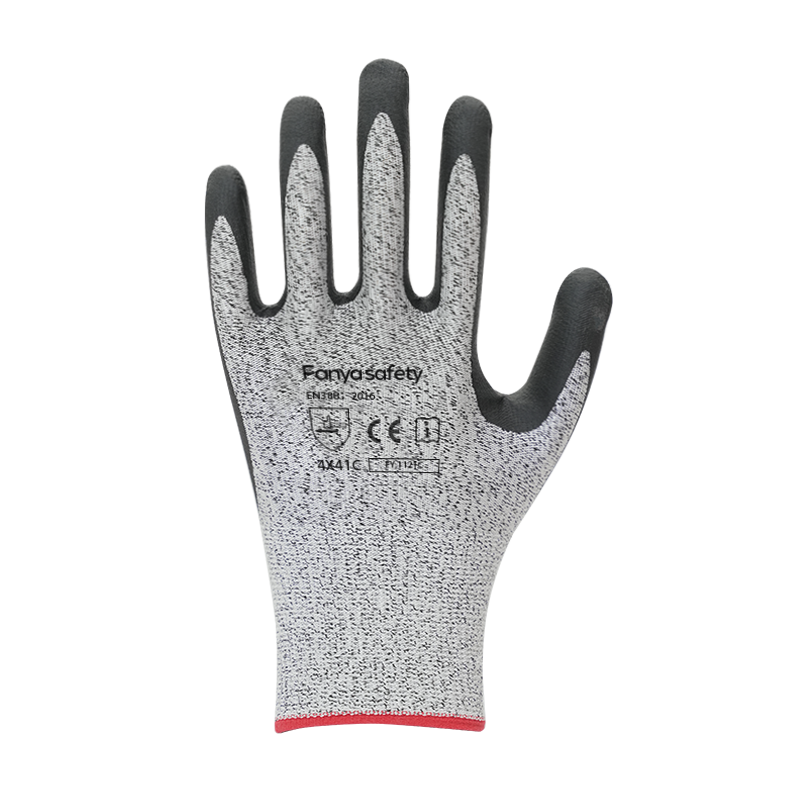
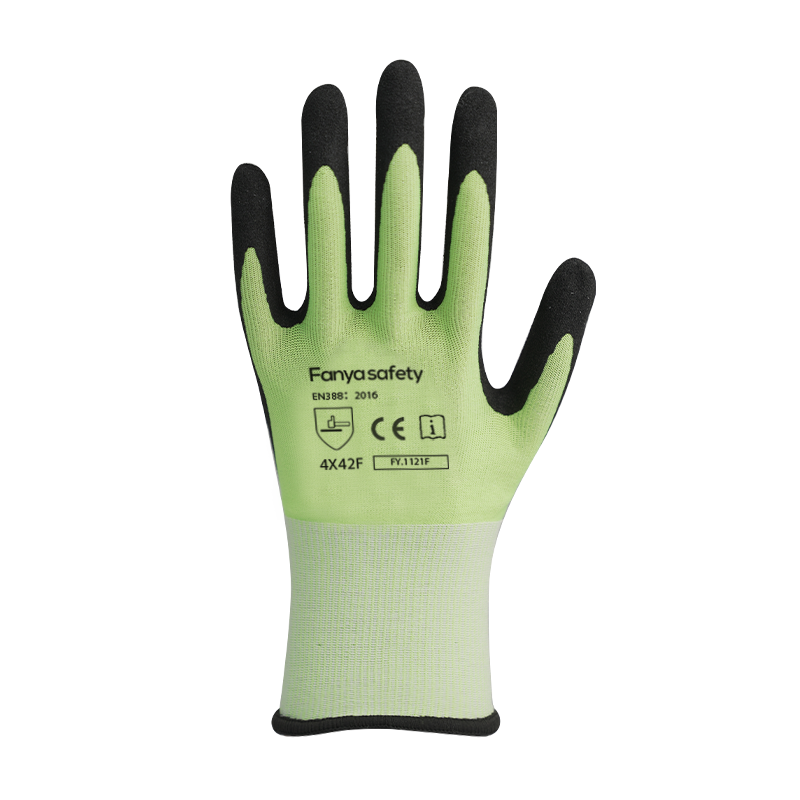
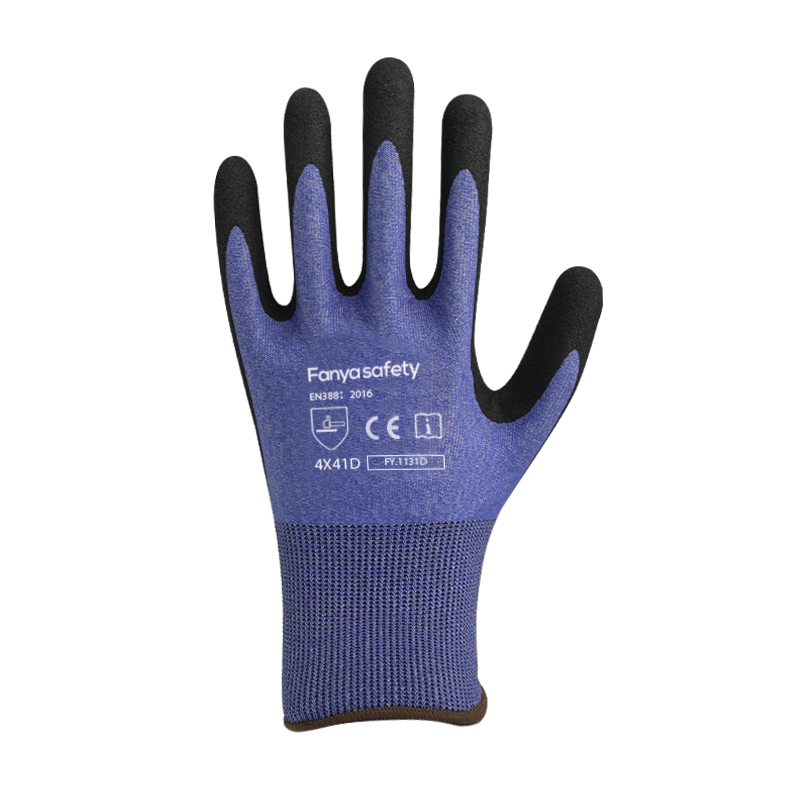
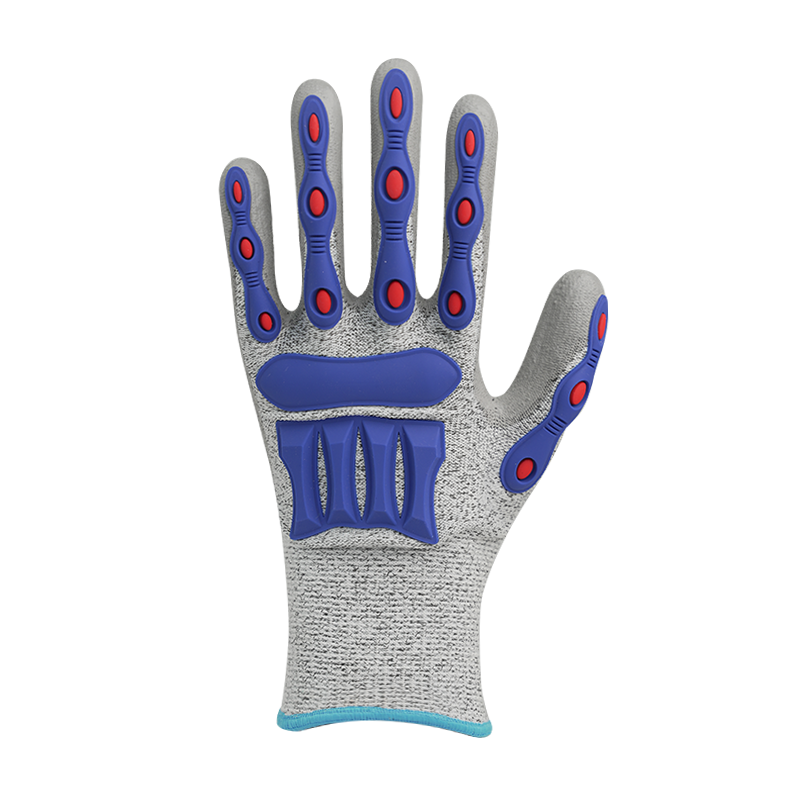
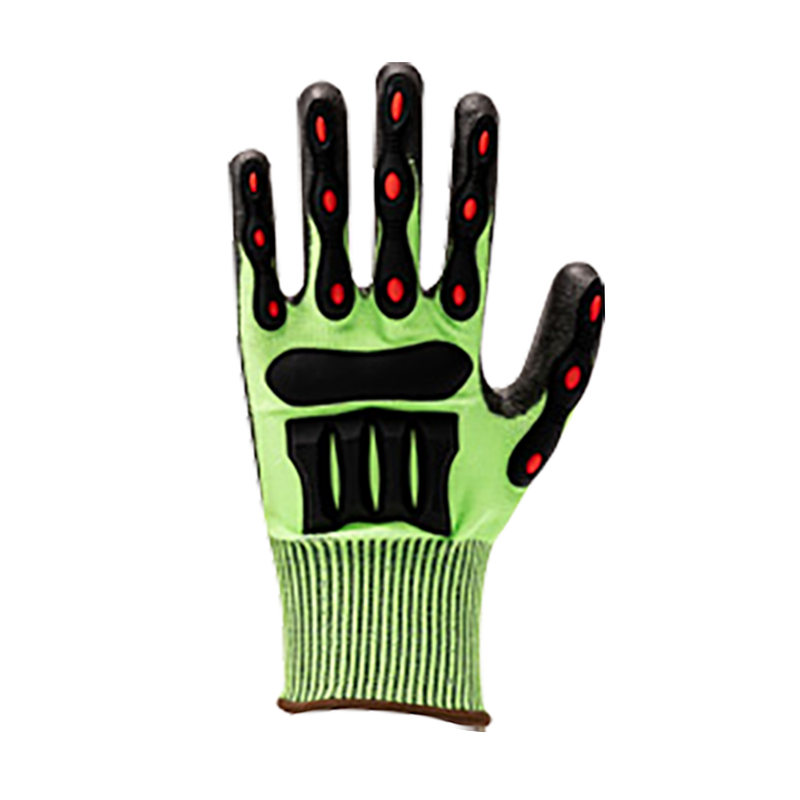
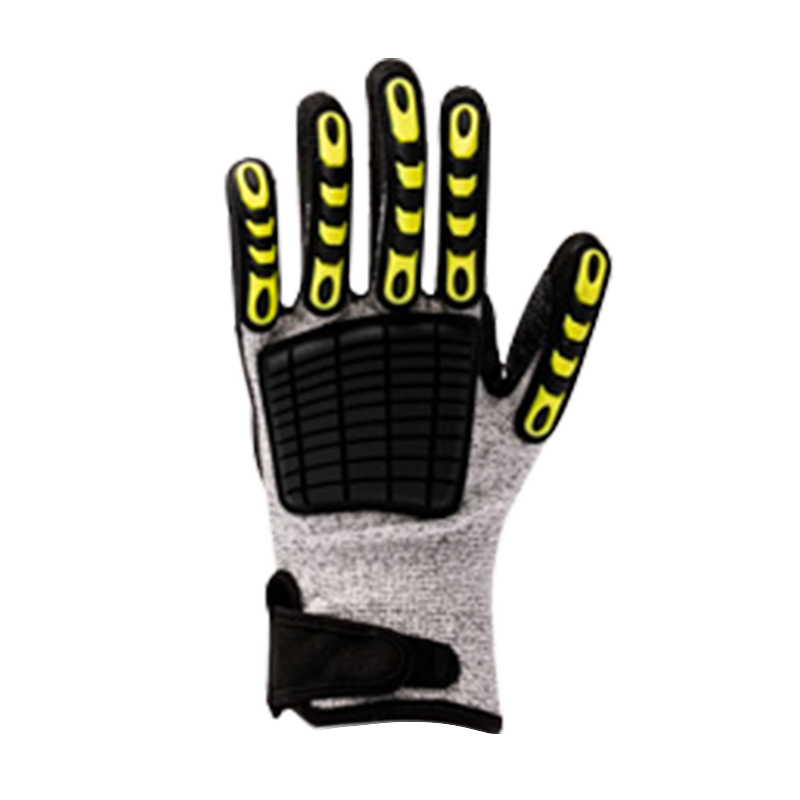
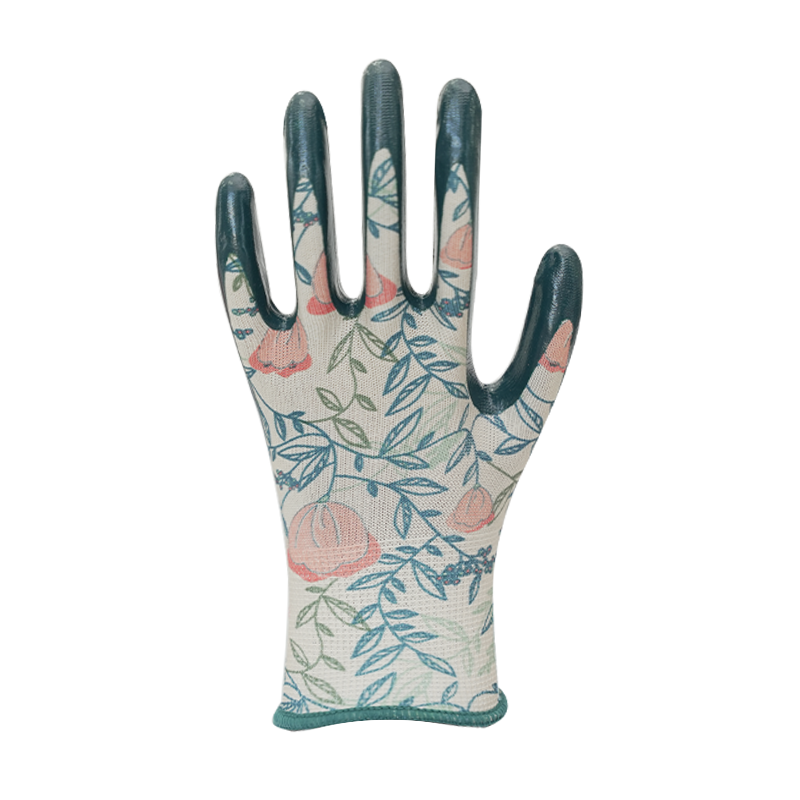
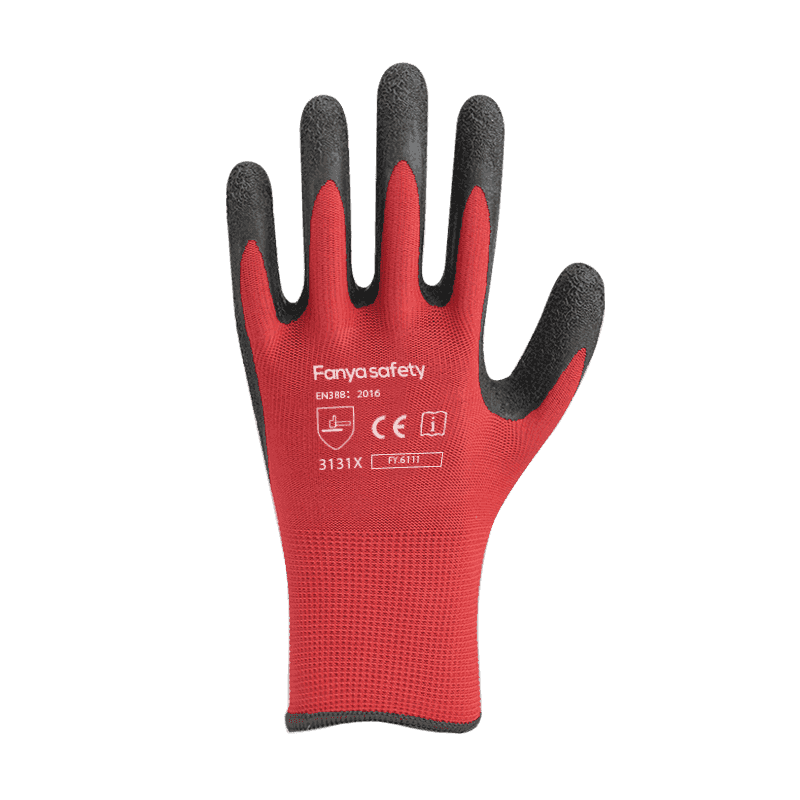
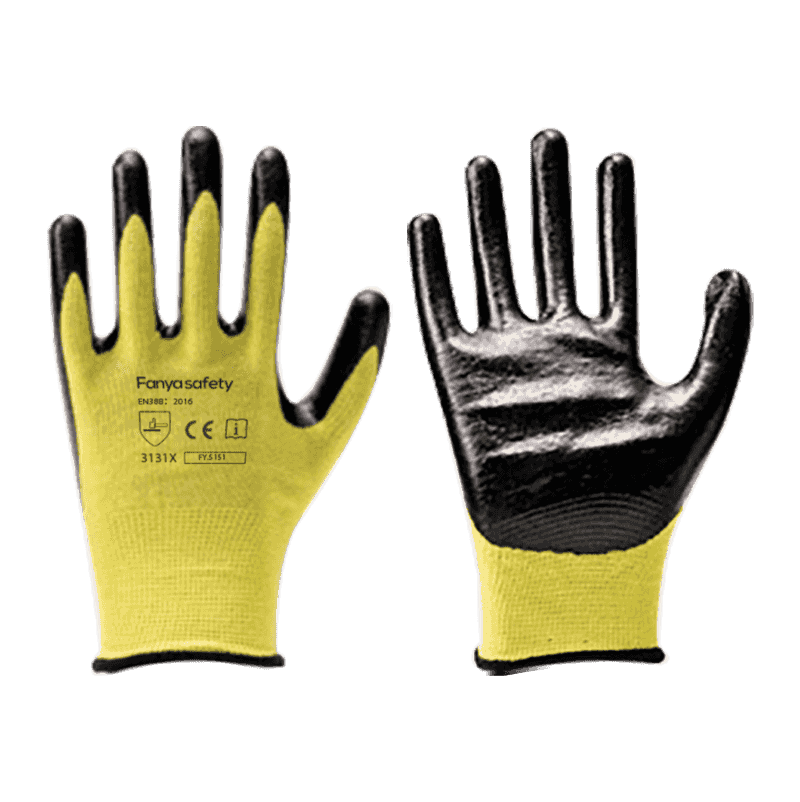
Coated heavy-duty type: This type involves coating a knitted fabric glove with nitrile. It retains the oil-resistant advantages of nitrile while adding the wear resistance of fabric gloves, making it the most common work glove in factories.
Din e-mailadresse vil ikke blive offentliggjort. Påkrævede felter er markeret *
Du kan kontakte mig via denne formular.